
Basement Waterproofing in Girard, OH
Ohio winters are hard on foundations, and Girard's older homes feel every one of them. When water in the soil freezes, it expands, pushing against basement walls with tremendous force. When it thaws, that same water looks for every opening winter created. The result is a familiar Girard pattern: a basement that survives summer fine and leaks every spring.
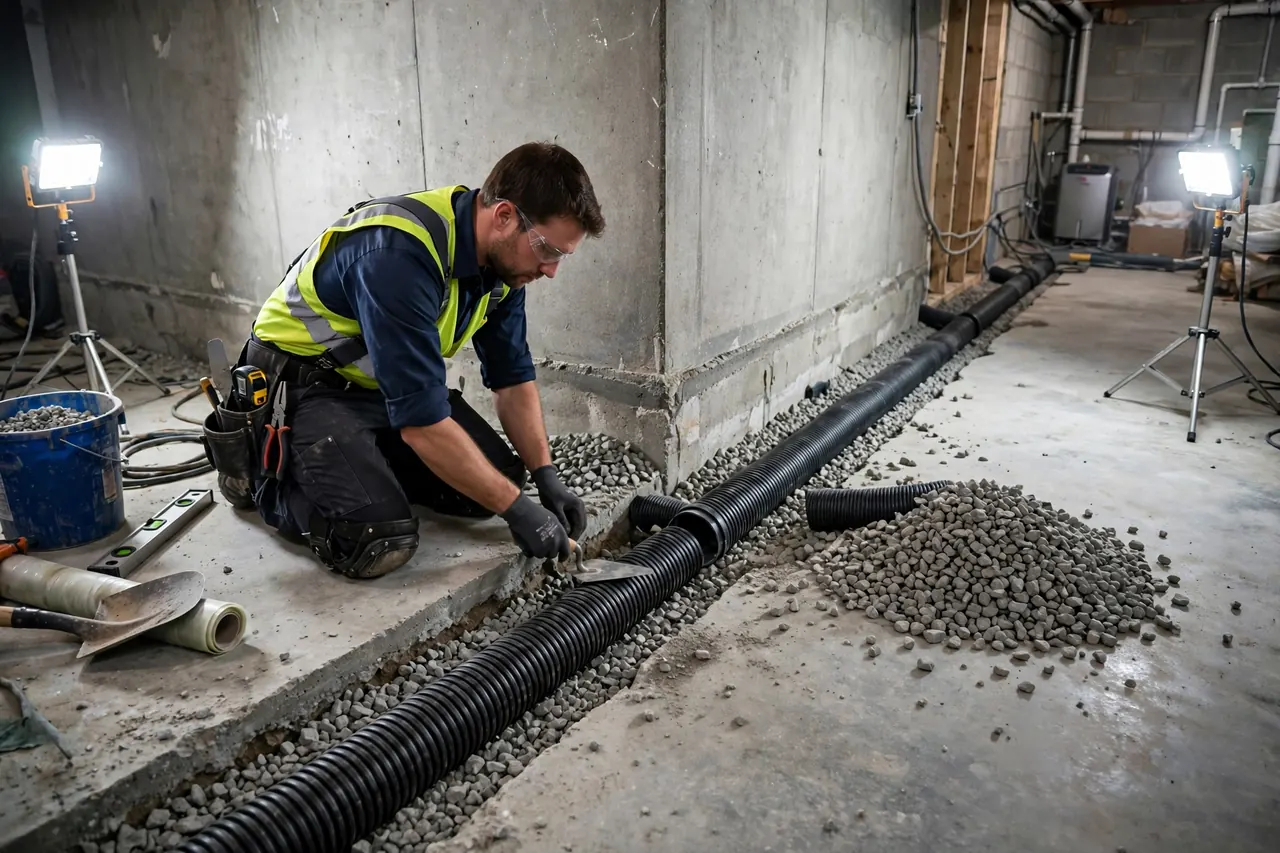
Meta title: Basement Waterproofing in Girard, OH | Freeze-Thaw Leaks Meta description: Basement leaks in Girard, OH after winter? Freeze-thaw cycles crack and stress older foundations here. Get an honest inspection. Call (330) 555-0147 today.
Ohio winters are hard on foundations, and Girard's older homes feel every one of them. When water in the soil freezes, it expands, pushing against basement walls with tremendous force. When it thaws, that same water looks for every opening winter created. The result is a familiar Girard pattern: a basement that survives summer fine and leaks every spring.
Mahoning Basement Dry Co provides basement waterproofing in Girard for homes worn down by freeze-thaw: crack repair, interior drainage, and sump systems, all explained honestly. Call (330) 555-0147 for an inspection.
Start with basement waterproofing in the Youngstown area if you are comparing options.
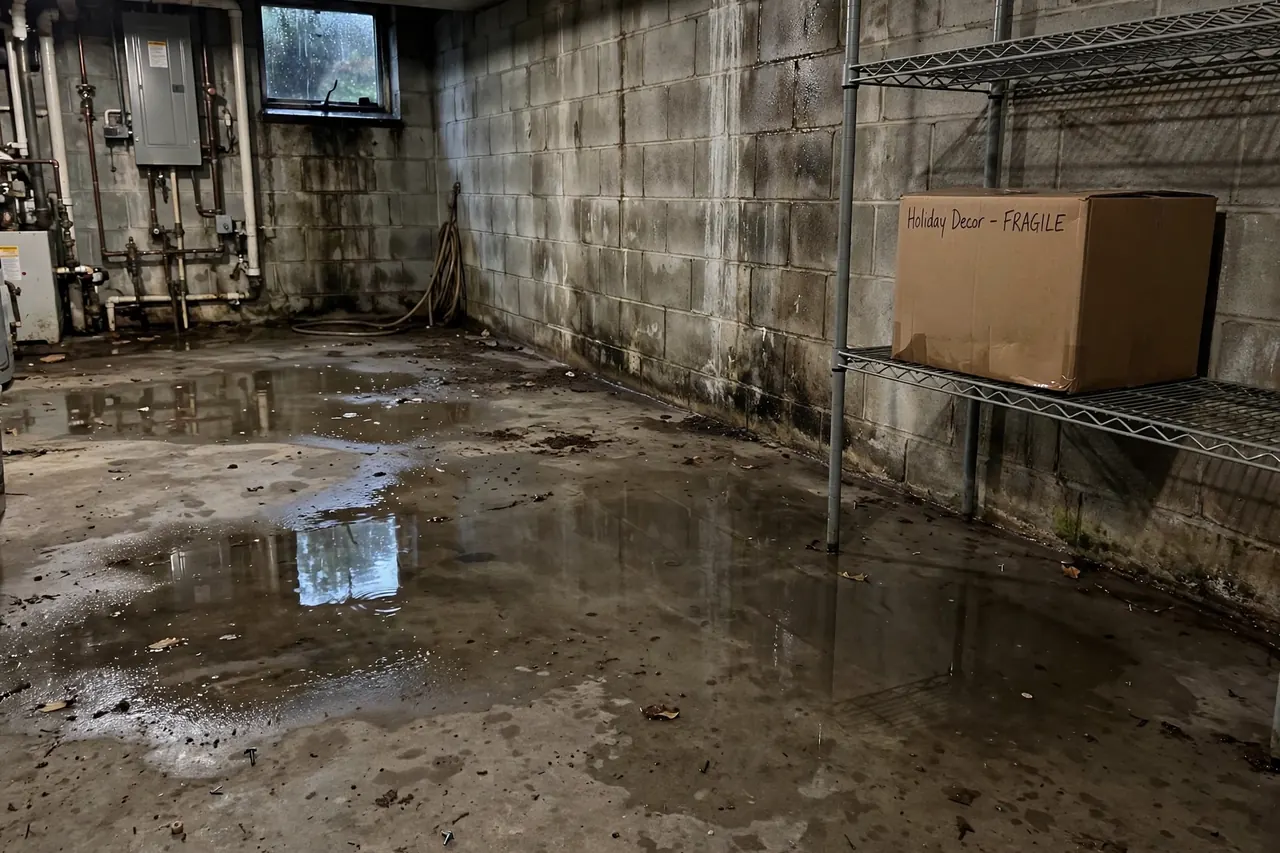
Why Girard Basements Leak: The Freeze-Thaw Story
Frozen soil pushes; thawed soil leaks. This is the core mechanic. Waterlogged soil around your foundation freezes in winter and expands, pressing laterally against basement walls. Come spring, the ground thaws and all that meltwater, plus spring rain, drains down along the foundation, straight into every crack and gap winter opened. Winter does the damage; spring delivers the water.
Older block walls spall and flake. Girard's older concrete block foundations show freeze-thaw damage as spalling, the face of the block flakes, pits, or crumbles. Spalled block is more porous, so it absorbs more water, which freezes and spalls it further. It is a slow cycle, and it accelerates once it starts.
Cracks open a little more each year. A hairline crack from settlement might sit quietly for years. Then one hard winter wedges it open with ice, and the next spring it weeps. Homeowners often notice the leak "appeared out of nowhere" in March or April, but the crack was preparing for seasons.
Mortar joints are the weak link. In older block and masonry foundations, mortar weathers faster than the units around it. Freeze-thaw pops and crumbles aging mortar, opening seep paths along joints. Water then enters as a weep across a section of wall rather than a single dramatic leak.
Frost depth reaches the footing. In a hard Ohio winter, frost penetrates deep enough to grip foundation walls and even lift slightly, frost heave. That movement stresses the wall-to-footing joint, which is exactly where many Girard basements later seep.
Waterproofing Services Available in Girard
Foundation crack repair in Girard
sealing cracks that freeze-thaw has opened or widened. We describe what the repair does in plain terms and refer any structural questions, bowing, shifting, major displacement, to a structural engineer. We never declare a foundation safe.
02Interior drainage systems in Girard
a perimeter drain that catches spring meltwater and rain as it reaches the basement, routing it to a sump pump before it spreads across the floor.
03Sump pump installation in Girard
reliable pumps with battery backup, because spring thaw and spring storms arrive together, and so do outages.
04Basement dehumidification in Girard
controlling the dampness that lingers after spring seep events. Manages humidity; does not stop water entry.
05Crawl space waterproofing in Girard
drainage and vapor barriers for crawl spaces exposed to the same freeze-thaw and meltwater patterns.
06Gutter and downspout help in Girard
moving spring roof runoff away from foundations already stressed by winter.
The Water Problems Girard Homeowners Actually See
Leaks that appear every spring
The single most common Girard story: dry through summer and fall, water in March or April. That timing points straight at freeze-thaw, winter opened the paths, spring water uses them. If your basement has a season, this is it.
New cracks after a hard winter
A wall that looked fine in October shows a fresh crack, or a longer old one, by April. Ice is a wedge, and it works slowly. These cracks deserve prompt attention before the next winter widens them further.
Flaking, pitted block walls
Spalling block looks like the wall surface is peeling or crumbling. Beyond the cosmetic issue, spalled block absorbs water readily, feeding the exact cycle that caused it. Catching it early matters.
Weeping mortar joints
Dampness along horizontal and vertical joints, sometimes with white efflorescence crust, means water is traveling through the mortar. It rarely stays in one joint, expect it to spread along the wall over seasons.
Cold, damp basements that never feel dry
Older Girard basements often hold winter dampness deep into spring, cold air, musty smells, condensation on walls and pipes. The general guidance: control the water entry first, then address humidity and cleanup. We make no medical claims about mold; we talk about moisture.
How Freeze-Thaw Breaks a Foundation Down
Ice is a slow, powerful wedge. When wet soil around your foundation freezes, it does not just get cold, it expands and grips the wall, pressing inward with force that builds over every freeze cycle. Water trapped inside cracks and inside porous block does the same thing from within. Each winter adds a little more stress than the wall was built to carry.
The damage stays invisible until spring. A crack that opens slightly in January does not leak in January, the ground is frozen solid. It leaks in March, when the thaw sends meltwater down along the foundation and into every opening winter created. That delay is why Girard homeowners get surprised every spring: the damage happened months before the water arrived.
Once the cycle starts, it feeds itself. Spalled block absorbs more water than sound block, so it freezes harder and spalls further. Opened mortar joints let in more water, which freezes and opens them wider. Older Girard foundations are not just aging, they are caught in a loop that gets a little worse each winter unless the water is managed and the damage is repaired.
What to Watch for This Season in Girard
Winter is damage season, even when the basement looks dry. Frozen ground is pressing on your walls right now, the harm is happening silently.
Spring is leak season. Watch the walls and the cove joint through March and April. That is when winter's damage shows up as water.
Summer is repair season. The ground is dry, cracks are visible, and drainage work goes in cleanly. This is the best window for lasting fixes.
Fall is prep season. Address what can be addressed, and make sure downspouts carry roof water well away from the foundation before the first hard freeze locks everything in.
How We Work
We read the winter damage
Our inspection looks for what freeze-thaw did, spalling, joint wear, crack patterns, heave stress, not just where water came in last.
We separate cosmetic from concerning
A surface crack and a shifting wall are different problems. We tell you which you have, and we send structural questions to a structural engineer rather than guessing.
We put it in writing
Clear written scope for any work, with honest limits. No "lifetime guarantees," no "permanent" promises.
What Happens After You Contact Us
Call (330) 555-0147 and tell us when your leaks show up, especially if they follow winter. We schedule an on-site visit.
We inspect the basement walls, floor, drainage, and the outside grading and downspouts, then explain what winter did and what your options are, in plain language and in writing. You take your time deciding. No pressure, no same-day pitch.
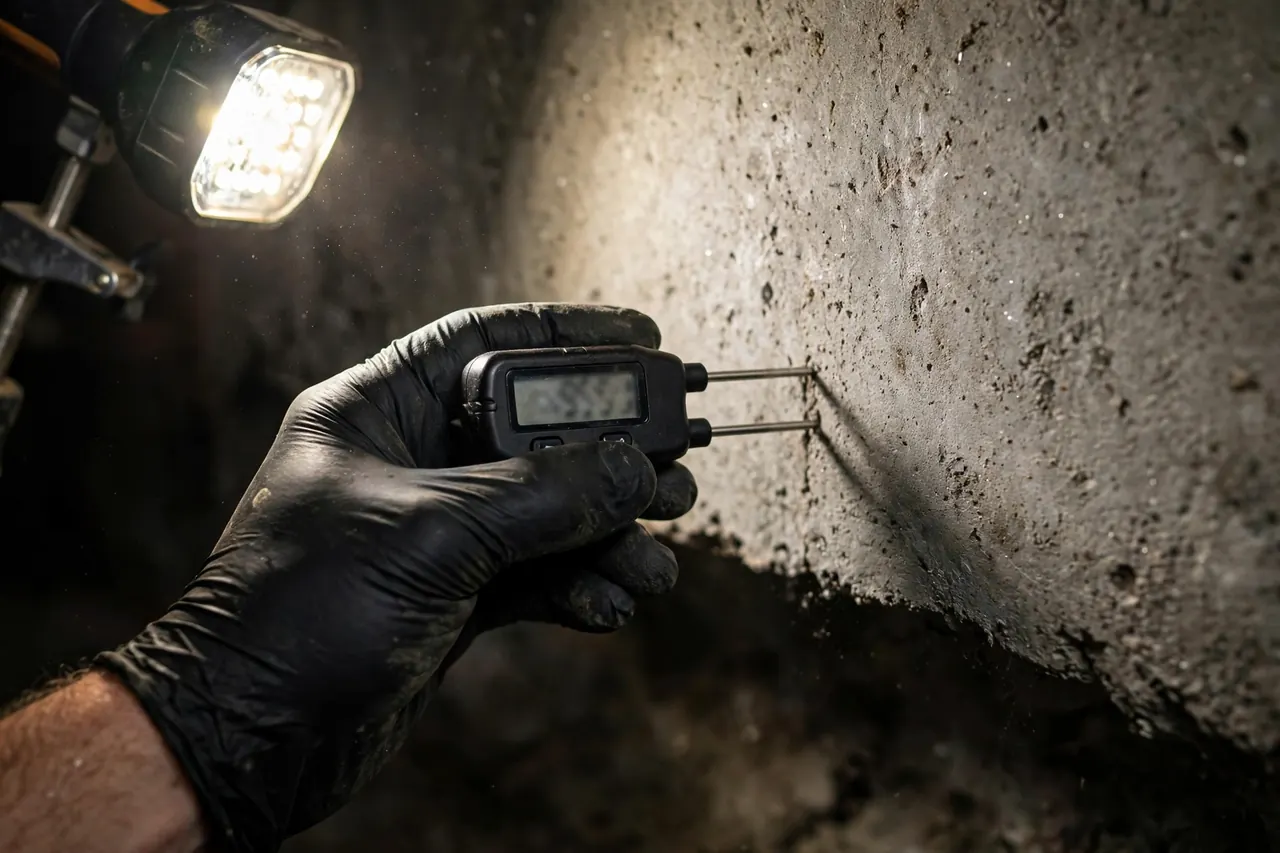
Get Your Girard Basement Checked
Every winter writes a little more damage into an older foundation, and every spring collects on it. Mahoning Basement Dry Co serves Girard with inspections that account for freeze-thaw, and repairs described honestly. Call (330) 555-0147 and tell us when your basement leaks.
Basement waterproofing in Girard - FAQs
Straight answers for Girard homeowners.
Freeze-thaw. Winter ice expands soil against your foundation and wedges cracks open; spring meltwater and rain then flow into those openings. The leak's timing is the diagnosis, spring leaks in older homes almost always trace to winter damage.
Yes. Water expands about nine percent when it freezes, and it does so with enormous force. Saturated soil, water trapped in cracks, and moisture inside porous block all expand in winter, stressing and gradually breaking down masonry over many cycles.
Spalling starts cosmetic and gets worse. Flaked block absorbs more water, which freezes and flakes more block. It is worth having assessed, both for the water entry it allows and to understand how far the deterioration has gone.
Surface patching can slow minor seepage temporarily, but it does not address water pressure behind the wall, and rigid patches often fail when the next freeze moves the crack. For recurring spring leaks, proper injection or drainage is the honest fix.
Yes, that is exactly what it is for. Meltwater and spring rain reach the foundation from outside; an interior perimeter drain intercepts that water at the floor line and sends it to a sump pump before it spreads.
Usually the shaded, north-facing walls, where the ground stays frozen longest and thaws last. Those walls go through the most freeze cycles and take the most frost pressure. Check them first every spring, they will show you what winter did.
It feeds the cycle. Snow against the wall melts into saturated soil right at the foundation, and that extra water freezes, expands, and works the cracks harder. Keep snow pushed back from the walls so meltwater drains outward.
Also serving nearby towns
Water in your Youngstown basement?
Call now, tell us what your basement is doing, and we’ll walk you through your options. No pressure.