
Basement Waterproofing in Niles, OH
Niles sits along the Mahoning River corridor, and that geography shapes its basements. Near a river, the water table runs high, and when the water table is high, groundwater does not need a storm to find your basement. It just needs time and pressure.
Meta title: Basement Waterproofing in Niles, OH | River-Area Homes Meta description: Wet basement near the river in Niles, OH? High water tables push groundwater into older homes. We install drainage and sump systems. Call (330) 555-0147.
Niles sits along the Mahoning River corridor, and that geography shapes its basements. Near a river, the water table runs high, and when the water table is high, groundwater does not need a storm to find your basement. It just needs time and pressure.
Mahoning Basement Dry Co provides basement waterproofing in Niles for river-corridor homes: interior drainage, sump systems sized for high groundwater, and honest assessments of older foundations. Call (330) 555-0147 for an inspection.
For the complete overview, see our main waterproofing page.
Why Niles Basements Get Wet
The water table is the main character
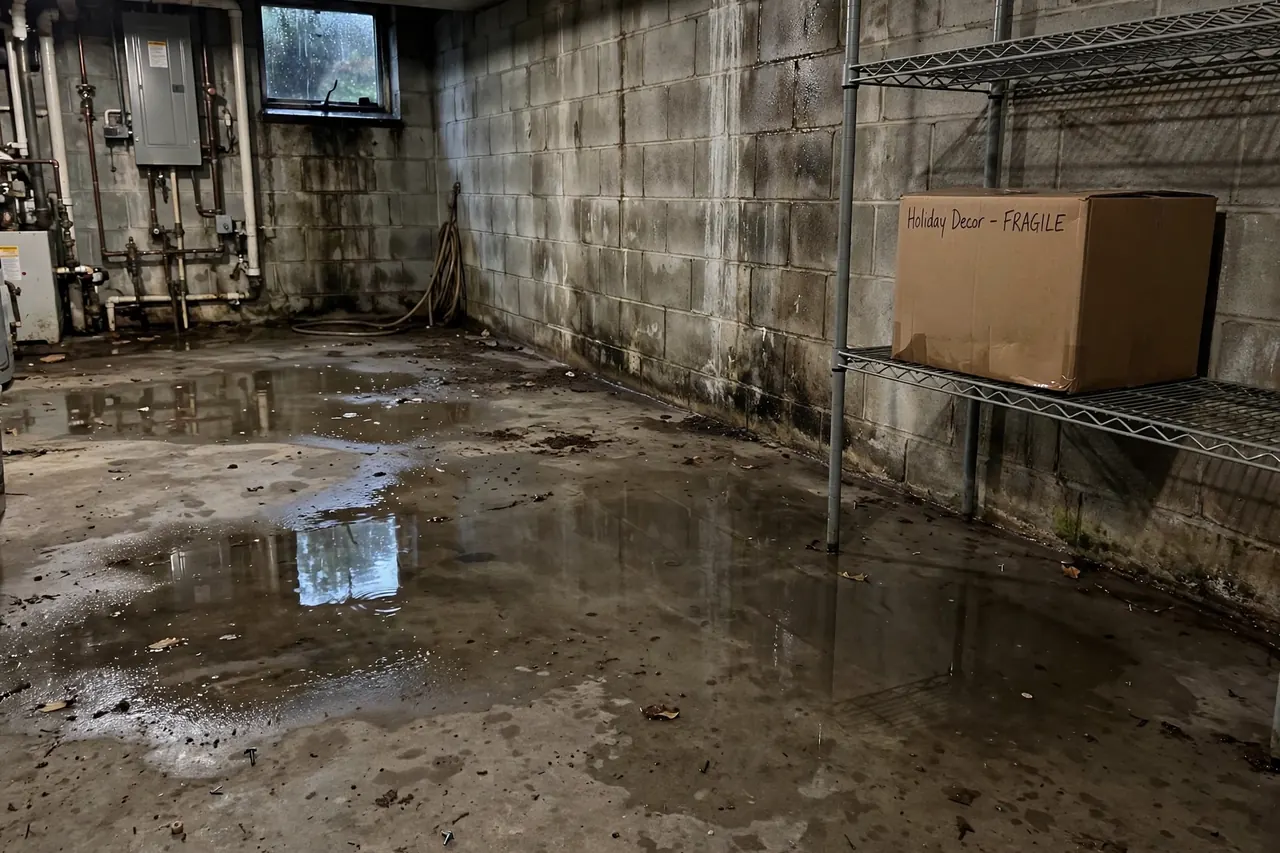
In much of Niles, groundwater sits closer to the surface than in the surrounding suburbs. That means the soil around your foundation is wet more of the year, and hydrostatic pressure against your basement is a constant, not just a storm event. Basements here can seep in dry weeks, not only during rain.
Spring is the hard season
Snowmelt plus spring rain plus an already-high water table is the peak load for Niles basements. Homes that stay dry from June through February can take on water every March and April. If your basement has a "season," spring is almost certainly it.
Older homes, older defenses
Niles has a large stock of older homes with original or minimal drainage. A high water table overwhelms old clay tile fast, and many homes have sump setups that were sized for a drier era, or no sump at all.
River-adjacent low areas
The closer a home sits to the river corridor and its low-lying ground, the more groundwater pressure its foundation faces. Low spots in the yard stay soggy long after rain, and that soggy ground feeds the basement below.
Freeze-thaw compounds it
Ohio winters add their own stress: frozen ground expands against foundation walls, opening small cracks and joints that spring groundwater then exploits. Winter creates the openings; spring delivers the water.
Waterproofing Services Available in Niles
Interior drainage systems in Niles
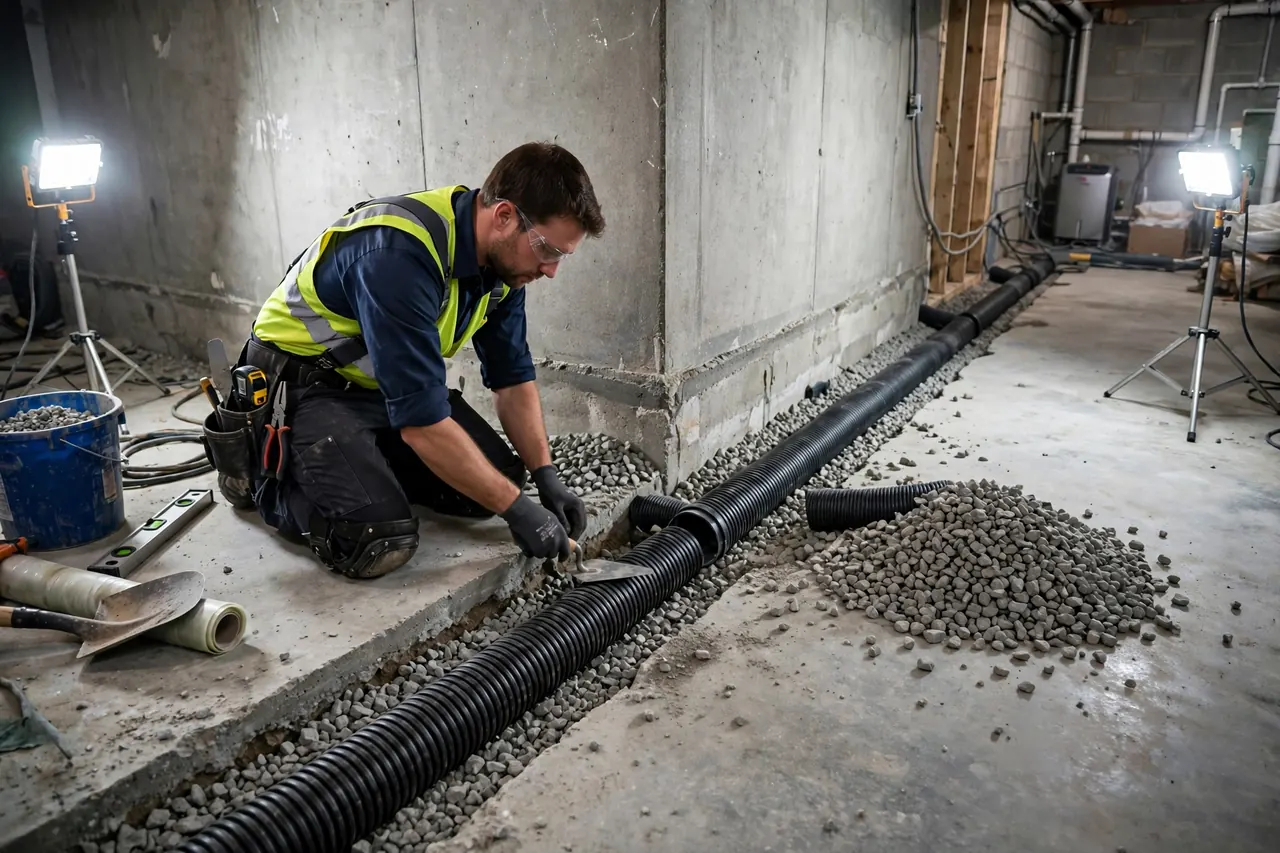
a perimeter drain that gives rising groundwater a path to the sump before it reaches your floor. The core defense for high-water-table homes.
02Sump pump installation in Niles
basins and pumps sized for real groundwater volume, with battery backup. Near the river, a single aging pump is a risk.
03Foundation crack repair in Niles
sealing the cracks that high groundwater exploits. We describe the repair plainly and refer structural questions to a structural engineer, we never declare a foundation safe.
04Basement dehumidification in Niles
for the chronic dampness high water tables cause between leak events. Controls humidity; does not replace drainage.
05Crawl space waterproofing in Niles
drainage and vapor barriers for crawl spaces sitting over wet ground.
06Gutter and downspout help in Niles
keeping roof water from adding to an already-high groundwater load around the foundation.
The Water Problems Niles Homeowners Actually See
Seepage with no rain
Water appearing in the basement during dry stretches is the signature of a high water table. If your basement gets damp when it has not rained in a week, groundwater, not stormwater, is your problem, and the fix is drainage and pumping, not grading.
The spring flood pattern
Dry all winter, wet every spring. Snowmelt and spring rains stack on top of high groundwater, and the basement takes the overflow. A system that handles August will not necessarily handle April, size for the peak.
Water rising through the floor
In high-water-table areas, pressure builds under the slab and water comes up through the cove joint and floor cracks. Wall coatings cannot stop it. This is the most common Niles leak pattern, and it needs interior drainage.
A sump pump that never rests
A pump cycling constantly through spring is telling you the volume is near its limit. Add a power outage to that picture, common in spring storms, and you see why battery backup matters so much in river-corridor homes.
Soggy yards that never dry
If parts of your yard stay soft and wet for days after rain, the ground around your foundation is saturated too. The yard is showing you what the basement is dealing with underground.
How a River-Corridor Water Table Works Against Your Foundation
The ground near the Mahoning River holds water differently. River valleys collect sandy, gravelly soil laid down over thousands of years, and that soil stays connected to the river like a sponge. When the river runs high, the water table in the surrounding ground rises with it, sometimes days after the rain has stopped. Your home does not need to sit on the riverbank for this to matter. The corridor effect reaches well into Niles' older streets.
That makes hydrostatic pressure your baseline, not an event. In most suburbs, a basement faces water during storms. In a river corridor, the foundation sits in wet soil for months at a time. Pressure pushes water through the cove joint, up through floor cracks, and sideways through porous block, steadily, not just on rainy days. Systems built for storm bursts fail here because they were designed for the wrong problem.
Older Niles homes make the mismatch worse. Clay drain tile laid decades ago was meant to carry stormwater, not to fight a permanent water table, and silt, roots, and collapse have taken most of its capacity. Many homes lean on a single aging sump pump to hold back groundwater that never fully retreats. That is why Niles basements so often need interior drainage plus a pump sized for constant duty, not just storm duty.
What to Watch for This Season in Niles
Spring (March–April) is peak danger. Snowmelt plus spring rain on an already-high water table is the year's biggest load. If your pump runs hard or your floor seeps, this is when it shows.
Summer brings spike events. Cloudbursts raise the river and the water table together, a storm that floods streets can lift groundwater days later. Watch the basement for a week after big storms, not just during them.
Fall is your prep window. Test the pump, make sure the discharge line is clear, and schedule any work while basements are dry and calendars are open. A fall inspection beats a spring emergency.
Winter freezes the surface. Frozen ground can trap meltwater against the foundation and drive frost deeper into saturated soil. New cracks showing up by February are winter's work, spring will test them.
How We Work
We account for the water table
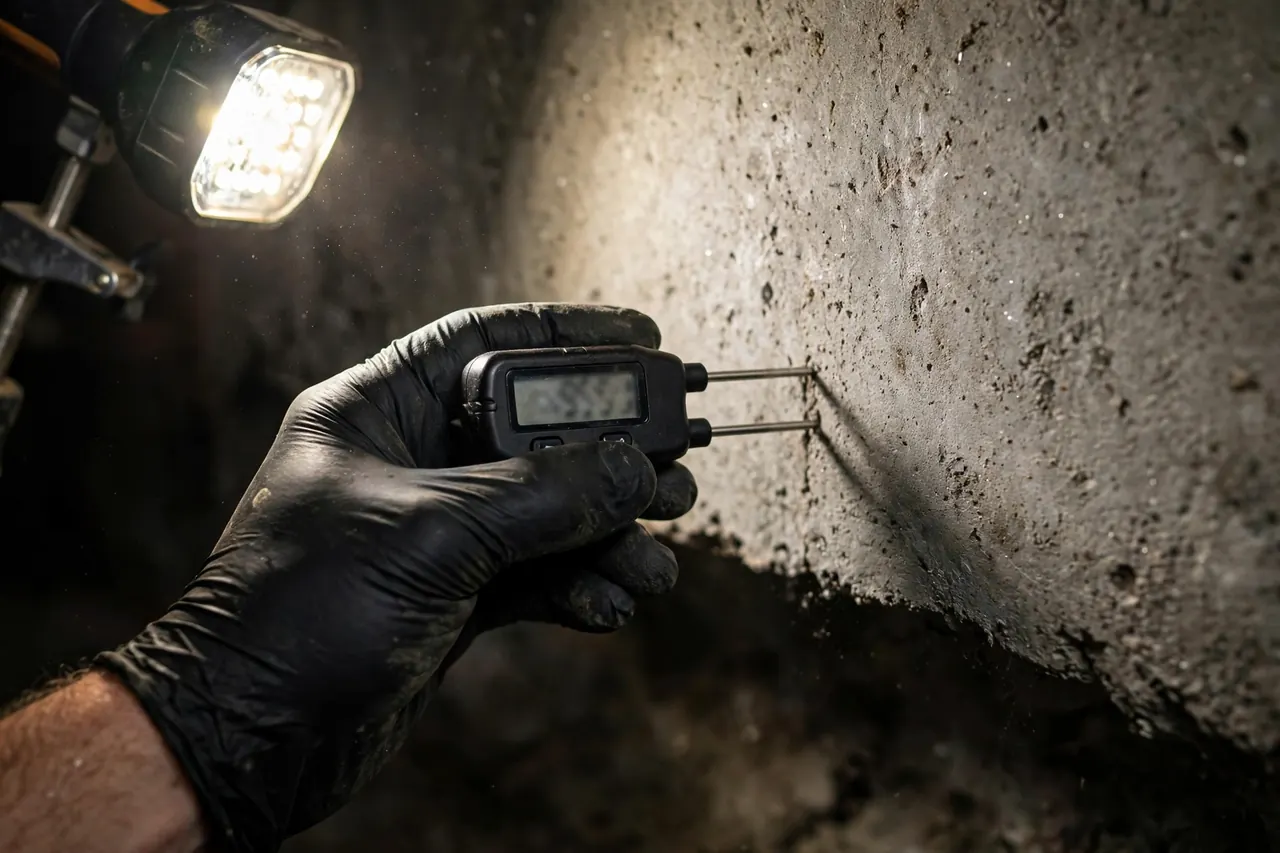
Our inspection considers groundwater, not just stormwater, where it sits, when it peaks, and how your home's drainage handles it.
We size for the worst weeks
Spring peaks, not summer averages. We explain what your system needs to handle and why.
We put it in writing
Clear descriptions of the work and honest limits. No "lifetime guarantees," no "permanent" promises.
What Happens After You Contact Us
Call (330) 555-0147 and describe your pattern, when the water comes, whether it needs rain, what your pump does. We schedule an on-site visit.
We inspect the basement, check the existing drainage and pump, and look at the yard and grading. Then we explain your options in plain language, sized for your home's actual groundwater conditions, all in writing. You decide without pressure.
Get Your Niles Basement Protected
High groundwater is a constant, but a wet basement does not have to be. Mahoning Basement Dry Co serves Niles with drainage and sump systems sized for river-corridor conditions, explained honestly. Call (330) 555-0147 and tell us your basement's pattern.
Basement waterproofing in Niles - FAQs
Straight answers for Niles homeowners.
A high water table. Near the river corridor, groundwater presses against your foundation even in dry weather. When it finds a path, a joint, a crack, a porous spot, it comes in without any storm at all.
You cannot lower the area's water table, but you can manage what it does to your home. Interior drainage collects the water before it reaches your floor, and a properly sized sump pump moves it out. That is the honest, proven approach.
In Niles, strongly consider it. Spring storms bring the heaviest groundwater loads and the likeliest outages at the same time. A pump that quits during the worst week is the same as no pump.
Grading helps with stormwater running toward the house, and it is always worth getting right. But groundwater rising from below does not care about surface grading, that needs drainage and pumping.
Waiting until the water is coming in means scheduling during the busiest season. The inspection and the work are both easier, and calmer, in drier months. Fix it before the spring peak, not during it.
Watch the timing. If water appears without rain, or the basement stays damp for weeks after a storm passes, the water table is driving it. Grading fixes runoff from the surface; it cannot lower groundwater rising from below.
Honestly, no. The area's groundwater is what it is, no contractor changes that. What we can do is manage its effect on your home: interior drainage to collect it and a properly sized pump to move it out. That is the proven approach for river-corridor homes.
Because the water table does not follow the weather forecast. It follows the river and the season. A pump cycling in dry weeks is doing exactly what a river-corridor pump is for, as long as it is healthy and has backup, that is normal.
Also serving nearby towns
Water in your Youngstown basement?
Call now, tell us what your basement is doing, and we’ll walk you through your options. No pressure.